Introduction
When I first heard people talking about artificial intelligence in fitness and nutrition, I thought it was just another technology trend that would disappear after some time. Like many people, I believed that fitness was something personal that required a human trainer, personal experience, and a proper understanding of the body. But over time, I started noticing how quickly technology was changing the way we approach health. From smart watches tracking our daily steps to apps suggesting personalized meals, AI has slowly become a part of our fitness journey.
In my own experience, I have seen how difficult it can be to maintain a healthy lifestyle without proper guidance. Sometimes we feel motivated and start working out regularly, but after a few weeks, confusion starts. We do not know if our workout is effective, whether our diet is right, or what changes we should make. This is where AI is becoming a powerful tool. It is helping people understand their bodies better and making fitness more accessible for everyone.
The future of AI in personal fitness and nutrition looks very exciting. It is not about replacing trainers, nutritionists, or human advice. Instead, it is about combining technology with human knowledge to create smarter, more personalized health solutions.
How AI Is Changing Personal Fitness
One of the biggest changes I have noticed with AI is the way fitness plans are created. In the past, most people followed general workout routines found online or copied exercises from others. The problem was that every person has a different body type, fitness level, lifestyle, and goal.
AI is changing this approach by analyzing personal information such as age, weight, activity level, workout history, and fitness goals. Based on this data, AI systems can suggest exercises that match an individual’s needs.
For example, someone who wants to lose weight may receive a different workout plan compared to someone who wants to build muscle. A beginner may get simple exercises with gradual progress, while an experienced athlete may receive advanced training suggestions.
I believe this personalized approach will encourage more people to stay consistent because they will no longer feel lost or overwhelmed. Having a digital fitness assistant that understands your progress can make the journey easier and more motivating.
AI Powered Fitness Coaches
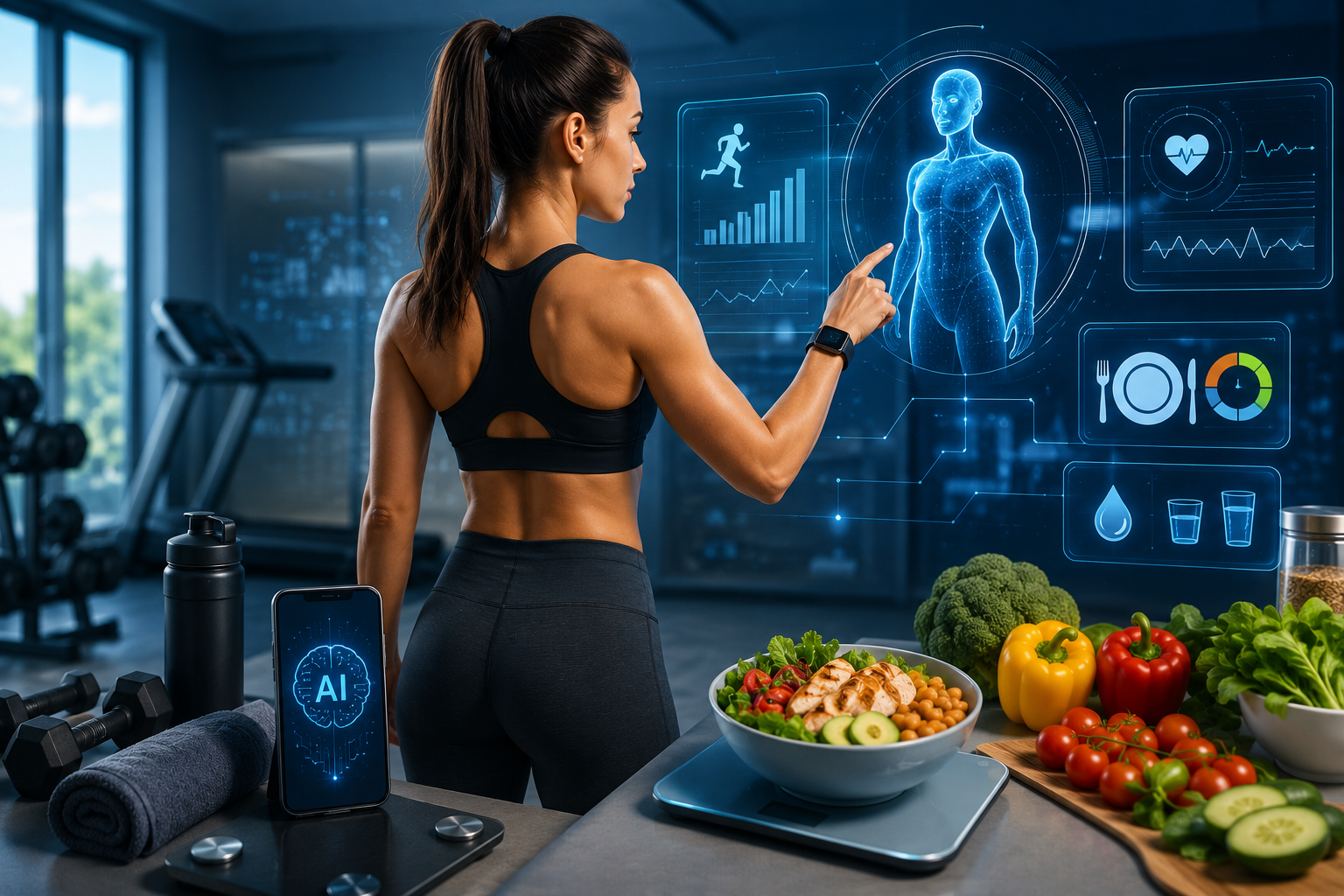
One of the most interesting developments is the rise of AI powered fitness coaches. These virtual coaches can guide people during workouts, track their progress, and provide feedback.
I remember how challenging it was when I started focusing on fitness because I often wondered if I was performing exercises correctly. Small mistakes in form can reduce results and sometimes even cause injuries. AI technology is now helping solve this problem through cameras, motion sensors, and smart devices that can analyze body movements.
In the future, AI fitness coaches may become even more advanced. They could watch your workout through a camera, identify incorrect posture, and immediately suggest improvements. They may also adjust your training plan based on your energy levels, recovery, and performance.
This does not mean human trainers will become unnecessary. Many people still need emotional support, motivation, and personal connection. However, AI can become a valuable partner that provides additional guidance whenever needed.
The Role of AI in Nutrition Planning
Nutrition is one of the most confusing parts of maintaining a healthy lifestyle. Everyone seems to have different advice about what to eat, what to avoid, and which diet works best. I have personally experienced how difficult it can be to create a balanced meal plan that fits daily life.
AI is making nutrition planning more personalized and practical. Instead of suggesting the same diet for everyone, AI can analyze personal goals, food preferences, allergies, activity levels, and health information to create customized meal recommendations.
For example, a person trying to gain muscle may receive a meal plan focused on protein intake and calorie balance. Someone trying to improve overall health may receive suggestions for more vegetables, healthy fats, and balanced nutrients.
In the future, AI may also help people understand the nutritional value of their meals instantly. Imagine taking a picture of your food and receiving information about calories, protein, vitamins, and possible improvements. This type of technology can make healthy eating much easier for everyday people.
Smart Devices and Real Time Health Tracking
Smart watches and fitness trackers have already changed the way people monitor their health. I have noticed that these devices make people more aware of their daily habits. Simple information like step count, heart rate, and sleep quality can encourage people to make better decisions.
With the development of AI, these devices will become even smarter. They will not just collect information but also understand patterns and provide useful recommendations.
For example, an AI powered fitness device may notice that your sleep quality has decreased and suggest reducing intense workouts for better recovery. It may identify that your activity level has dropped and recommend small changes to stay active.
This type of real time feedback can help people prevent problems before they become serious. Instead of waiting until we feel unhealthy, AI can help us make improvements earlier.
AI and Personalized Health Predictions
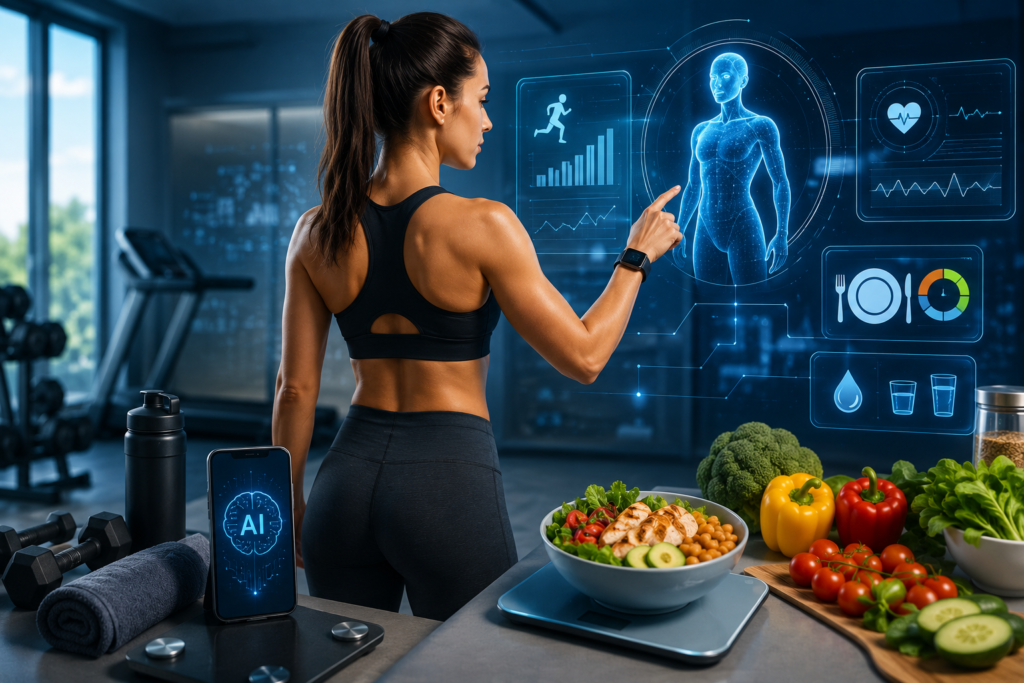
One of the most powerful possibilities of AI in fitness and nutrition is predicting future health trends. By analyzing large amounts of personal data, AI may identify patterns that humans might miss.
For example, AI could recognize changes in activity, sleep, stress levels, and eating habits that may affect health in the future. It could provide suggestions to improve lifestyle habits before problems develop.
In my opinion, this preventive approach could completely change healthcare and fitness. Instead of only reacting to health problems, people will have tools that help them stay healthier from the beginning.
The Importance of Human Connection
Although AI offers many benefits, I believe the human element will always remain important. Fitness is not only about numbers, calories, or exercise plans. It is also about emotions, motivation, confidence, and discipline.
There are days when people need encouragement more than information. A machine can analyze data, but a human can understand feelings and personal struggles.
The best future will likely be a combination of AI technology and human expertise. Trainers, nutritionists, and health professionals can use AI tools to provide better guidance while still maintaining personal relationships with their clients.
Challenges of AI in Fitness and Nutrition
While AI has great potential, there are also challenges that need attention. One major concern is privacy. Fitness apps and smart devices collect personal information, and users need to know that their data is protected.
Another challenge is accuracy. AI recommendations are only as good as the information they receive. If the data is incomplete or incorrect, the advice may not always be perfect.
There is also a risk that some people may depend too much on technology and ignore their own body signals. Listening to your body, understanding your limits, and making balanced decisions will always be important.
My View on the Future of AI Fitness
When I look at how quickly technology has developed, I believe AI will become a normal part of personal fitness and nutrition. Just like smartphones became a part of everyday life, AI health assistants may become something many people use regularly.
The biggest advantage will be personalization. People will no longer have to follow generic plans that may not suit them. Instead, they will have smarter systems that understand their unique needs and help them improve step by step.
I believe the future of fitness will not be about choosing between technology and human guidance. It will be about using both together to create better results. AI can provide knowledge, tracking, and recommendations, while humans provide motivation, understanding, and emotional support.
Conclusion
The future of AI in personal fitness and nutrition is full of possibilities. From personalized workout plans and smart nutrition advice to real time health tracking and future predictions, AI is changing the way we approach wellness.
From my own experience, I know that staying healthy requires consistency, patience, and the right guidance. AI cannot replace personal effort, but it can make the journey easier and more effective.
As technology continues to improve, I believe more people will have access to personalized fitness and nutrition support. The goal is not just to live longer but to live healthier, stronger, and more balanced lives. AI is becoming a powerful partner in that journey, helping people understand their bodies and make smarter choices every day.