Introduction
When I first started paying attention to my health, protein was one of the most confusing topics I came across. Every fitness expert seemed to have a different opinion. Some people said I needed protein shakes every day, while others claimed that eating chicken with every meal was the only way to stay healthy. After hearing so many different opinions, I decided to stop guessing and learn what my body actually needed. That simple decision completely changed the way I looked at nutrition.
What I discovered surprised me. Protein is incredibly important, but the amount each person needs depends on several factors. Your age, weight, activity level, health goals, and even your daily routine all affect how much protein you should eat. There is no single number that works for everyone.
In this article, I want to share what I learned through my own experience in a simple and practical way. If you have ever wondered whether you are eating too little or too much protein, this guide will help you understand exactly what your body needs.
What Is Protein?
Protein is one of the three essential macronutrients along with carbohydrates and fats. It is made up of amino acids, which are often called the building blocks of the body. Every muscle, organ, skin cell, hair strand, and even your immune system depends on protein to function properly.
Before I learned about nutrition, I honestly believed protein was only important for people who wanted to build huge muscles. Later I realized that every single person needs protein every day. It helps repair damaged tissues, supports muscle recovery, keeps your immune system strong, produces important hormones, and even helps your body create enzymes that keep everything running smoothly.
Without enough protein, the body struggles to repair itself, recover from exercise, and maintain healthy muscles.
Why Protein Is So Important
One thing I noticed after increasing my protein intake was that I felt more energetic throughout the day. I was not constantly looking for snacks between meals because I stayed full much longer.
Protein offers many important benefits.
It helps build and repair muscles.
It supports healthy bones.
It strengthens the immune system.
It keeps skin, hair, and nails healthy.
It helps control hunger.
It supports healthy metabolism.
These benefits are not limited to athletes. Whether you are a student, office worker, parent, or retired adult, your body needs protein every single day.
How Much Protein Do You Actually Need?
This is the question most people ask.
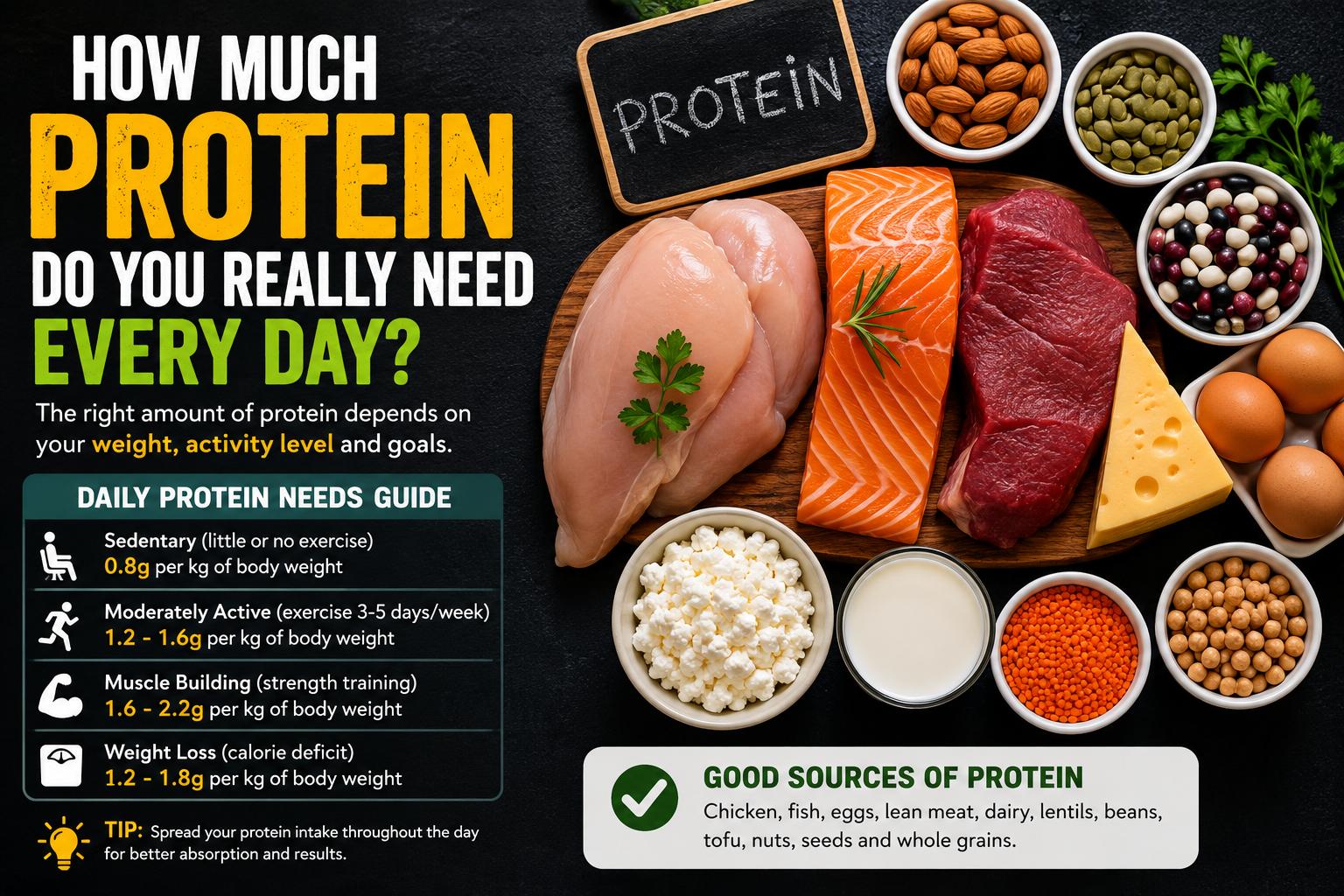
The recommended daily allowance for healthy adults is about 0.8 grams of protein per kilogram of body weight.
For example
If you weigh 60 kilograms, you need around 48 grams.
If you weigh 70 kilograms, you need around 56 grams.
If you weigh 80 kilograms, you need around 64 grams.
These numbers represent the minimum amount needed for basic health. If you exercise regularly or have specific fitness goals, your protein needs will usually be higher.
When I calculated my own daily requirement, I realized I had been eating much less protein than I actually needed.
Protein Needs Based on Your Lifestyle
One lesson I learned is that everyone has different nutritional needs.
Someone who sits at a desk all day does not require the same amount of protein as someone who lifts weights six days a week.
If you live a mostly inactive lifestyle, around 0.8 grams per kilogram is generally enough.
If you walk regularly, play sports, or exercise several times each week, you may benefit from around 1.2 to 1.6 grams per kilogram.
If your goal is muscle growth, many experts recommend between 1.6 and 2.2 grams per kilogram of body weight.
Older adults often need more protein because muscle mass naturally decreases with age.
Pregnant and breastfeeding women also require additional protein to support healthy growth and development.
This taught me something very important. Instead of copying someone else’s diet, I should focus on what my own body actually needs.
Protein and Muscle Building
When I first joined the gym, I believed lifting heavier weights was the only thing that mattered. Nutrition was an afterthought.
After a few months, I realized my progress was slower than expected. That is when I started paying closer attention to my protein intake.
Within a few weeks, I noticed that my muscles recovered faster after workouts. I wasn’t as sore, and I gradually became stronger.
Protein supplies the amino acids your muscles need after resistance training. During exercise, tiny muscle fibers break down. Protein helps repair those fibers so they grow back stronger.
Of course, protein alone will not build muscle. You also need proper training, enough calories, quality sleep, and consistency.
Protein and Weight Loss
One thing that surprised me the most was how helpful protein is when trying to lose weight.
Many people think weight loss is only about eating fewer calories. While calories are important, protein makes the process much easier.
Protein keeps you feeling full for a longer time. That means you naturally eat less throughout the day without constantly feeling hungry.
It also helps preserve muscle while your body burns fat.
When I increased my protein intake during a calorie deficit, I experienced fewer cravings and had more energy during workouts.
That made staying on my diet much easier than before.
Can You Eat Too Much Protein?
This is another question people often ask.
For most healthy adults, eating a little more protein than the recommended amount is generally safe.
However, eating excessive amounts will not magically build more muscle.
Your body can only use a certain amount of protein for muscle repair and normal body functions. Any extra simply becomes another source of calories.
Instead of eating extremely high amounts of protein, I found it much more effective to focus on a balanced diet with vegetables, fruits, healthy fats, whole grains, and enough water.
Balance always works better than extremes.
Best Sources of Protein
One thing I appreciate now is that protein comes from many different foods.
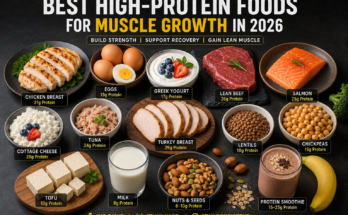
Animal based protein sources include chicken, turkey, eggs, fish, lean beef, milk, Greek yogurt, cottage cheese, and seafood.
Plant based protein sources include lentils, chickpeas, beans, tofu, quinoa, soy products, nuts, seeds, and edamame.
I personally enjoy combining both animal and plant proteins throughout the week because it gives me more variety and keeps meals interesting.
You do not need expensive supplements to meet your protein goals if your meals are planned properly.
Do You Need Protein Powder?
When I first entered the fitness world, I thought protein powder was absolutely necessary.
Later I realized it is simply a convenient option.
If you can meet your daily protein needs through normal food, protein powder is completely optional.
It can be helpful for busy people who struggle to prepare meals or athletes with higher protein requirements, but it should never replace a healthy diet.
Whole foods provide vitamins, minerals, fiber, and many other nutrients that supplements cannot fully replace.
When Should You Eat Protein?
Another common question is whether timing matters.
From my experience, spreading protein throughout the day works much better than eating it all in one meal.
Having protein at breakfast, lunch, dinner, and even healthy snacks helps your body use it more efficiently.
Eating protein after exercise is also beneficial because your muscles are ready to recover and rebuild.
Instead of focusing on the perfect timing, I simply try to include some protein in every meal.
That small habit has made a noticeable difference.
Signs You May Not Be Eating Enough Protein
Sometimes the body gives small warning signs.
You may feel hungry shortly after eating.
Your muscles recover slowly after exercise.
You constantly feel tired.
Your hair may become weaker.
Your nails may break more easily.
Small cuts and injuries may take longer to heal.
While these symptoms can have many different causes, low protein intake is one possibility worth considering.
Common Protein Myths
One myth I believed was that only bodybuilders need protein.
The truth is everyone needs enough protein for overall health.
Another myth is that eating more protein automatically builds more muscle.
Muscle growth depends on proper exercise, enough calories, sleep, and consistency.
Some people also believe plant protein is useless.
While certain plant proteins contain lower amounts of some amino acids, combining different plant foods throughout the day easily provides everything your body needs.
Final Thoughts
Looking back, learning about protein was one of the best decisions I made for my health. I stopped chasing trends and started focusing on what my own body actually needed. That simple change improved my energy, helped me recover faster after workouts, reduced unnecessary hunger, and made healthy eating much easier.
The truth is that protein is not a magic solution, but it is one of the most important nutrients your body needs every day. Whether your goal is building muscle, losing weight, staying active, or simply living a healthier life, eating enough quality protein can make a real difference.
Instead of copying someone else’s diet, calculate your own needs, choose nutritious protein rich foods, and stay consistent. Small improvements made every day often produce the biggest results over time. Your body does not need perfection. It simply needs the right nutrition, patience, and a healthy routine that you can maintain for years.