Introduction
A few years ago, I used to believe that eating healthy was only possible if I had plenty of free time. Every Monday started with good intentions, but by Wednesday I was grabbing fast food between meetings, drinking too much coffee, and convincing myself that I would eat better next week. The truth was simple. My schedule was busy, but my planning was missing.
Everything changed when I started meal prepping. I did not become a professional chef overnight, and I certainly did not spend hours cooking every day. Instead, I found a simple system that helped me prepare healthy meals in advance without making my weekends disappear. Since then, I have saved money, reduced stress, and felt more energetic throughout the workweek.
If you are a busy professional trying to balance work, family, fitness, and personal life, meal prep can become one of the best habits you ever build. Here are the ideas and strategies that have worked for me and continue to make healthy eating easier.
Why Meal Prep Makes Life Easier
The biggest advantage of meal prep is that it removes daily decision making. Instead of asking myself what to eat every lunch break, I already know the answer because my meal is waiting in the refrigerator.
This simple habit also reduces the temptation to order unhealthy takeout after a long workday. When a healthy meal is already prepared, I naturally choose it over fast food.
Another benefit I noticed was financial. Buying ingredients in bulk and cooking at home costs much less than eating out several times a week. At the end of every month, the savings were surprisingly noticeable.
Start With a Simple Weekly Plan
One mistake I made in the beginning was trying to prepare seven different meals every week. It became exhausting, and I quickly lost motivation.
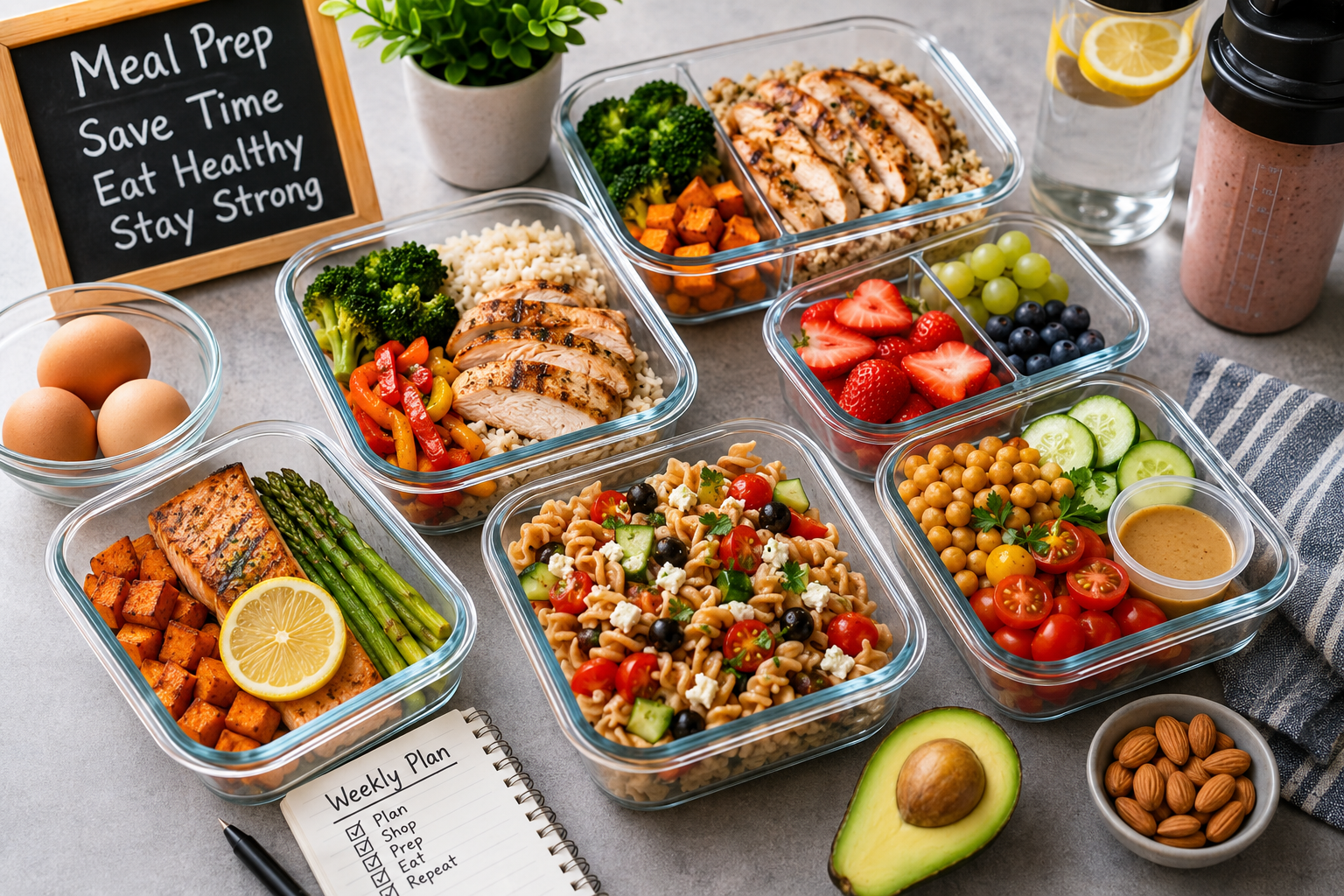
Now I keep things simple. Every weekend I decide on two breakfast options, two lunch meals, two dinner choices, and a few healthy snacks. This gives me enough variety without making cooking complicated.
Planning before shopping also prevents unnecessary grocery purchases. I only buy what I actually need, which means less food goes to waste.
Choose Protein First
Whenever I prepare meals, protein is always my starting point because it keeps me full for longer and helps maintain muscle.
Some of my favorite protein choices include grilled chicken breast, baked salmon, lean ground turkey, boiled eggs, tofu, cottage cheese, beans, lentils, and Greek yogurt.
I usually cook enough protein for three or four days at once. Later, I simply combine it with different vegetables, grains, or sauces to create completely different meals.
This approach saves a lot of cooking time while keeping meals interesting.
Prepare Grains in Large Batches
Cooking rice or quinoa every single day quickly becomes frustrating. Instead, I prepare a large batch once and store it in airtight containers.
Brown rice, quinoa, whole wheat pasta, barley, and sweet potatoes all store well for several days.
Having these ready means lunch can be assembled in just a few minutes. I simply add protein, vegetables, and a healthy sauce.
Roast Plenty of Vegetables
Roasted vegetables have become one of my favorite meal prep tricks.
I usually chop broccoli, carrots, zucchini, bell peppers, onions, cauliflower, and Brussels sprouts before placing everything on large baking trays.
A little olive oil, garlic, black pepper, paprika, and herbs make them incredibly flavorful.
After roasting, I divide them into containers. These vegetables can be paired with almost any protein and taste great both warm and cold.
Healthy Breakfasts That Save Time
Breakfast used to be the meal I skipped most often because mornings always felt rushed.
Now I prepare overnight oats several days in advance. I mix rolled oats with milk, Greek yogurt, chia seeds, berries, and a little honey. By morning, breakfast is already ready.
Egg muffins are another favorite. I whisk eggs with spinach, tomatoes, onions, and cheese before baking them in muffin trays. They stay fresh for several days and are easy to carry to work.
Greek yogurt with fresh fruit and homemade granola is another quick breakfast that takes almost no effort.
Lunch Ideas That Keep Me Full
Lunch is often where busy professionals struggle the most.
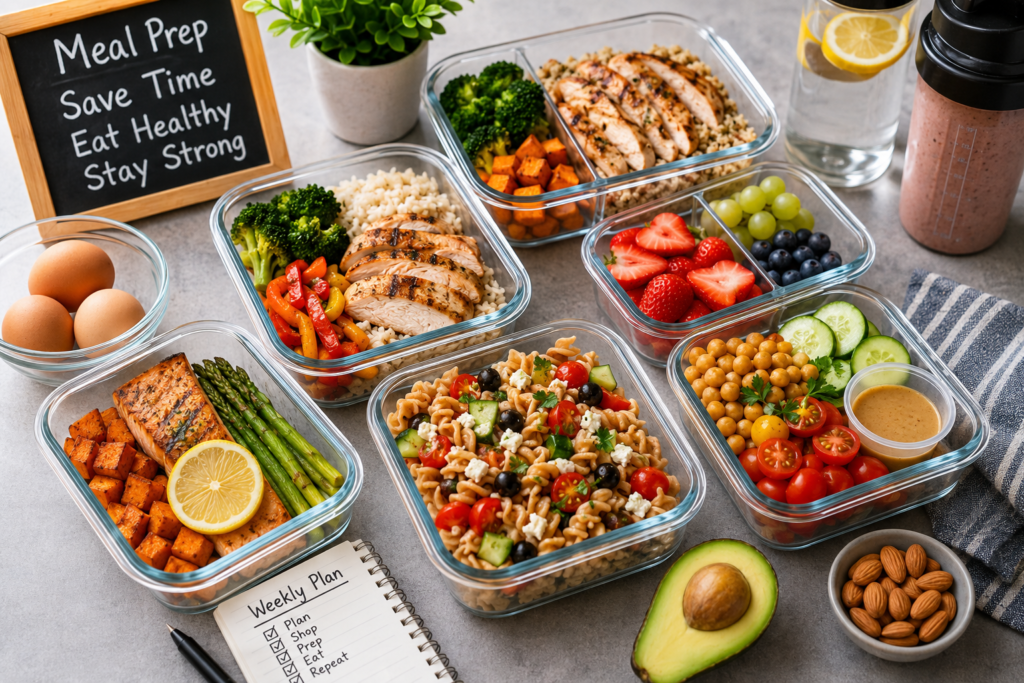
One meal I never get tired of is a grilled chicken bowl with brown rice, roasted vegetables, and avocado.
Another favorite is quinoa mixed with chickpeas, cucumbers, tomatoes, spinach, feta cheese, and olive oil dressing.
Turkey wraps made with whole wheat tortillas, lettuce, tomatoes, and hummus are also perfect for busy office days.
Sometimes I prepare pasta salad using whole wheat pasta, grilled chicken, cherry tomatoes, cucumbers, olives, and a light vinaigrette. It stays fresh for several days and tastes even better after the flavors blend together.
Quick Dinner Options
After working all day, the last thing I want is to spend another hour cooking.
One of my easiest dinners is baked salmon served with roasted vegetables and quinoa.
Another simple option is stir fried chicken with colorful vegetables over brown rice.
On colder evenings, homemade lentil soup is incredibly comforting. I prepare a large pot and freeze extra portions for future weeks.
Turkey chili is another meal that tastes even better the next day. It is packed with protein, vegetables, and fiber while being surprisingly filling.
Healthy Snacks for Busy Days
I learned that skipping snacks often caused me to overeat during dinner.
Now I always keep healthy snacks nearby.
Some of my favorites include almonds, walnuts, mixed seeds, boiled eggs, sliced apples with peanut butter, carrots with hummus, cottage cheese, Greek yogurt, bananas, and homemade energy balls made with oats and dates.
These snacks keep my energy stable and prevent unhealthy vending machine choices.
Keep Your Meals Interesting
Eating the exact same meal every day can become boring.
Instead of changing the entire meal, I simply change the flavors.
One day I use garlic and herbs.
Another day I add Mexican spices.
Sometimes I choose Asian inspired sauces with ginger and soy sauce.
On other days I use Mediterranean herbs, lemon juice, and olive oil.
The ingredients stay almost the same, but the meals taste completely different.
Invest in Good Storage Containers
I underestimated the importance of storage containers until I bought quality ones.
Glass containers keep food fresh, do not absorb odors, and can safely go into the microwave.
I also label each container with the preparation date so I know which meals should be eaten first.
Keeping the refrigerator organized makes meal prep much easier throughout the week.
Save Time With Smart Cooking
One lesson I learned was that cooking several foods at the same time saves hours.
While vegetables roast in the oven, rice cooks on the stove, and chicken grills in a pan.
Everything finishes around the same time, allowing me to prepare multiple meals in one cooking session.
This method usually gives me enough food for several workdays in less than two hours.
Do Not Aim for Perfection
At first, I thought every meal had to look perfect like the pictures on social media.
Eventually I realized that consistency matters much more than perfection.
Some weeks I prepare only lunches.
Other weeks I prepare breakfast and dinner too.
Even preparing just a few healthy meals each week is far better than relying on unhealthy convenience foods every day.
Giving yourself flexibility makes meal prep sustainable.
Stay Hydrated Alongside Healthy Meals
Meal prep improved my nutrition, but I also noticed the importance of drinking enough water.
I keep a reusable water bottle on my desk and refill it throughout the day.
Sometimes I add lemon slices, cucumber, or fresh mint to make water more refreshing.
Proper hydration helps maintain energy, improves focus, and supports digestion.
Build a Routine That Fits Your Lifestyle
There is no perfect meal prep schedule.
Some people prefer Sunday afternoons, while others cook on Wednesday evenings.
I found that preparing meals every Sunday morning works best because it gives me a fresh start to the week.
The key is finding a routine that fits your work schedule instead of copying someone else’s system.
Once meal prep becomes a habit, it feels less like a chore and more like an investment in your health.
Final Thoughts
Meal prepping has completely changed the way I approach healthy eating as a busy professional. Instead of depending on fast food or skipping meals because of a hectic schedule, I now have nutritious options ready whenever I need them. It has reduced stress, saved money, improved my energy levels, and helped me stay consistent with my health goals.
The biggest lesson I have learned is that healthy eating does not require expensive ingredients or complicated recipes. It simply requires a little planning and preparation. Even dedicating one or two hours each week can make the rest of your week much easier.
If you are constantly busy and feel like healthy eating is impossible, I encourage you to start small. Prepare just a few meals this week, experiment with ingredients you enjoy, and build your routine one step at a time. Over time, those small efforts can turn into lasting habits that support both your career and your health.